
Igniting Curiosity: How Historical Adventure Books Spark Learning in Boys

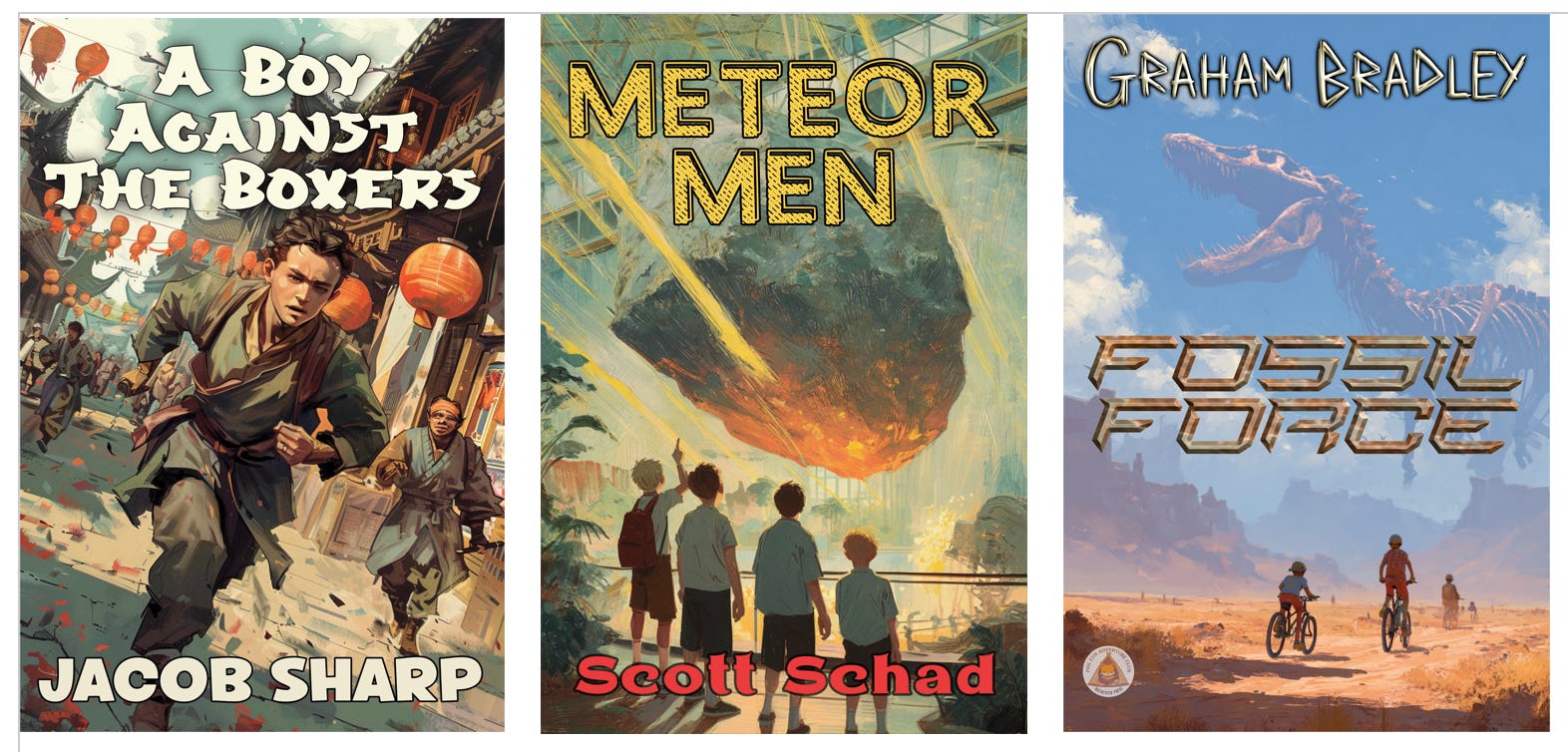
In an era dominated by screens and instant gratification, fostering a deep appreciation for history in young readers can feel like an uphill battle. Yet, historical fiction—especially in the form of thrilling boys’ adventure books—offers a powerful gateway. By weaving real historical events into gripping narratives, these stories not only entertain but also educate, encouraging boys to discover the past, develop essential skills, and cultivate a lifelong love of reading and exploration. Books like A Boy Against the Boxers by Jacob Sharp, Meteor Men by Scott Schad, and Fossil Force by Graham Bradley, all from Raconteur Press, exemplify this approach. Each integrates historical elements in unique ways, showing how adventure can transform history from dry facts into vivid, relatable experiences.
Discovery and Learning Through Historical Events
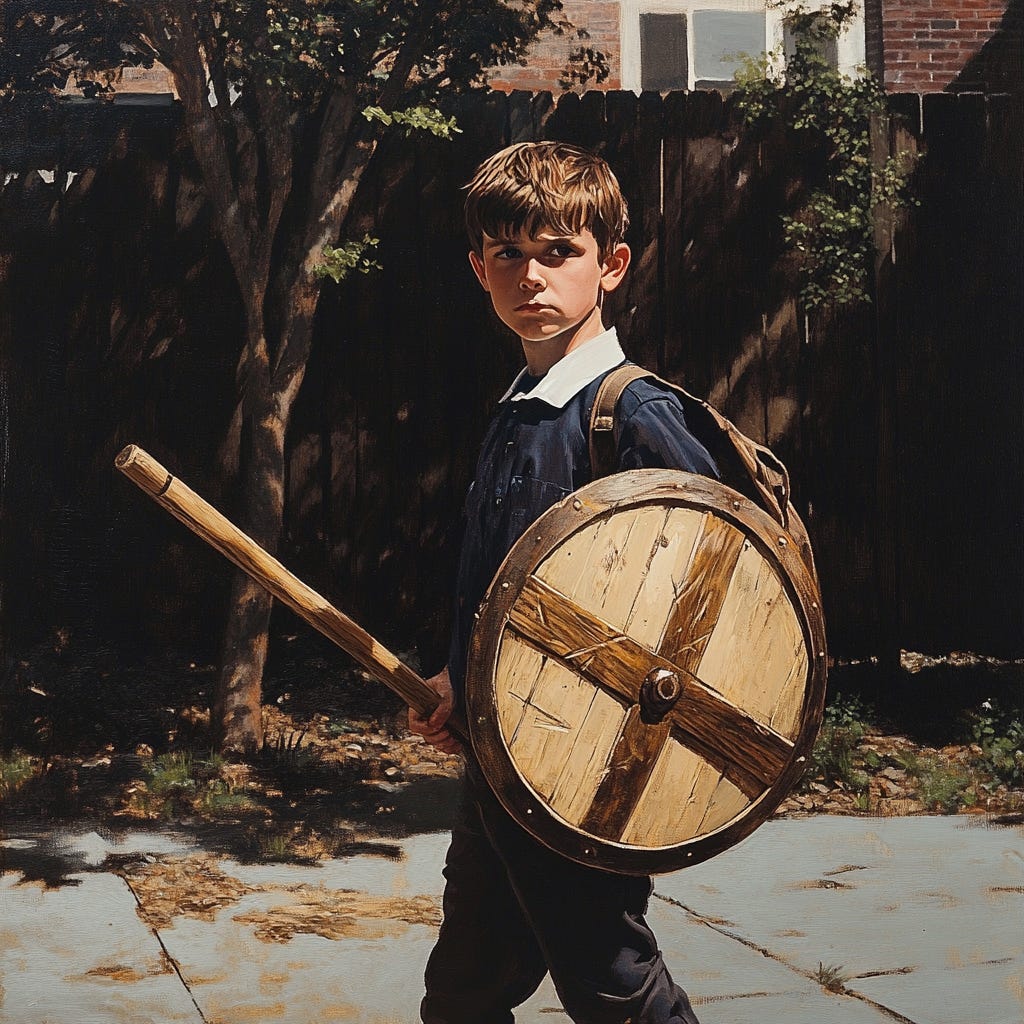
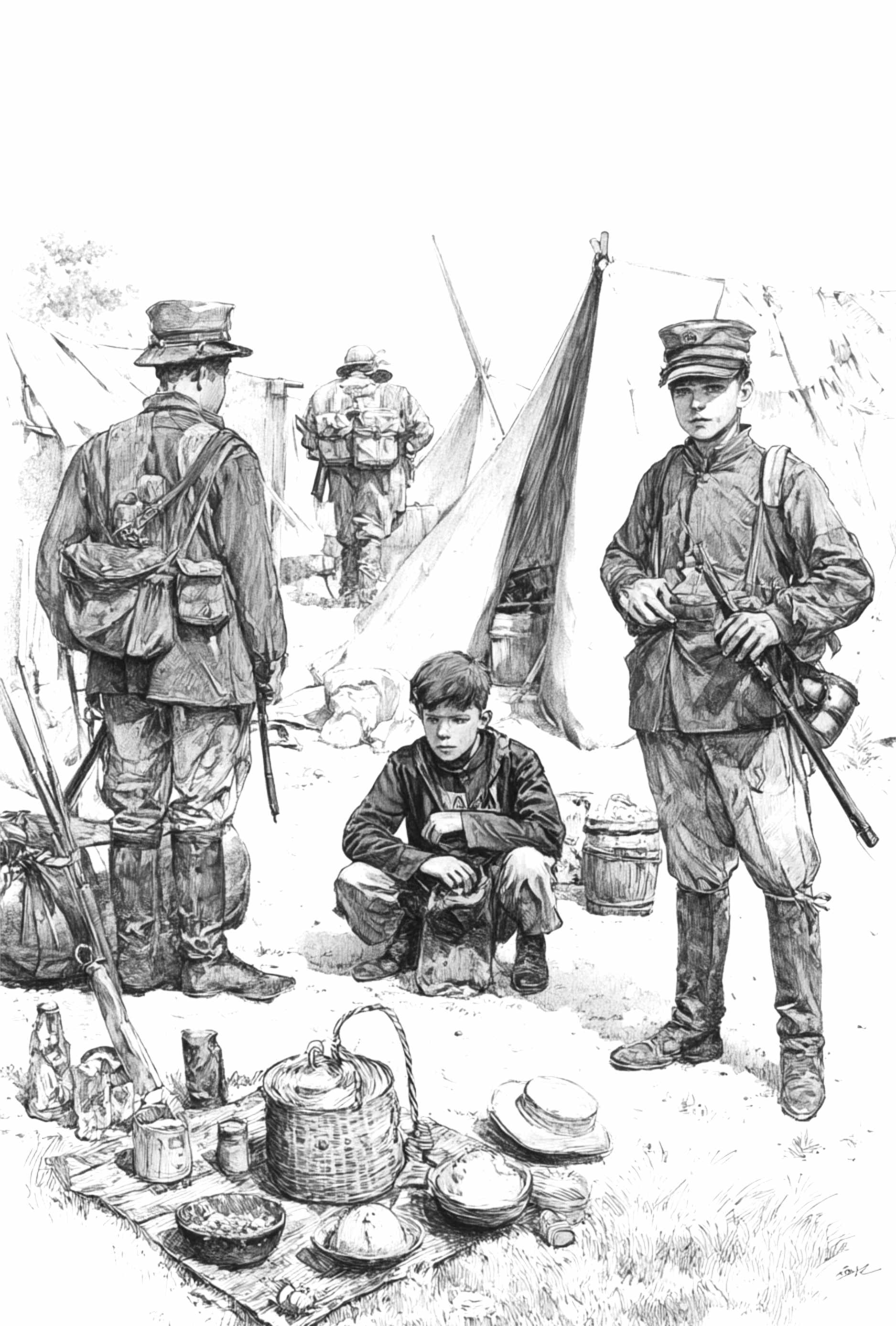
Historical fiction immerses young readers in the past, making abstract events tangible and personal. By placing protagonists in real-world scenarios, these books help boys “live” history, fostering empathy and understanding that textbooks often lack. For instance, in A Boy Against the Boxers, fourteen-year-old Eddie Donahue is thrust into the heart of the 1900 Boxer Rebellion in Peking (now Beijing). The story draws on actual events like the 55-day Siege of the International Legations, where foreign diplomats and civilians were trapped by anti-Western nationalists. Eddie witnesses martial arts demonstrations, evades violent chases, and participates in scavenging supplies and firing an old black powder cannon known as the “International Gun.” Through Eddie’s eyes, readers learn about the geopolitical tensions of turn-of-the-century China, the unlikely alliances among nations (which would soon fracture in World War I), and the brutal realities of siege warfare. This viewpoint helps boys grasp how ordinary people—much like themselves—navigated chaos, turning history into a lesson in resilience and global interconnectedness.
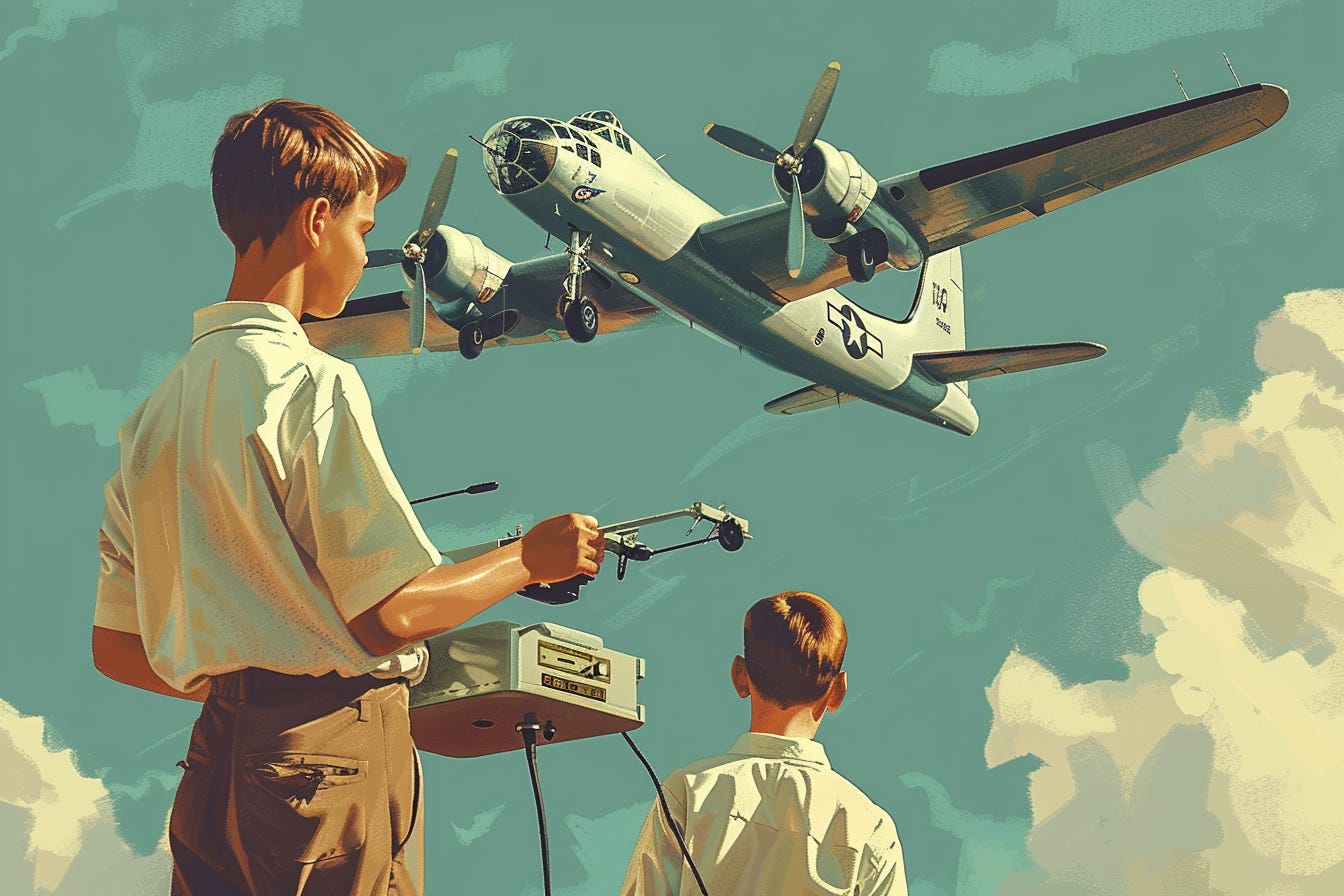
Similarly, Meteor Men blends scientific discovery with American Civil War history. The five boys—Cinch, Frank, Keith, Joel, and Ronaldo—start as amateur meteorite hunters, using library research and borrowed gadgets like a magnetic probe mounted on a radio-controlled plane. Their quest leads to an unexpected find: a buried Union ironclad riverboat and its Confederate counterpart, solving a fictionalized mystery tied to real Civil War naval battles, such as those on the Mississippi River. Drawing from actual historical markers and artifacts (like the USS Cairo, the only surviving Union armored riverboat), the boys learn about steam-powered warfare, the role of ironclads in river combat, and the human cost of the conflict. From a boy’s perspective, this reveals history as a puzzle to be solved, emphasizing how everyday curiosity can uncover forgotten stories and honor the soldiers who fought.
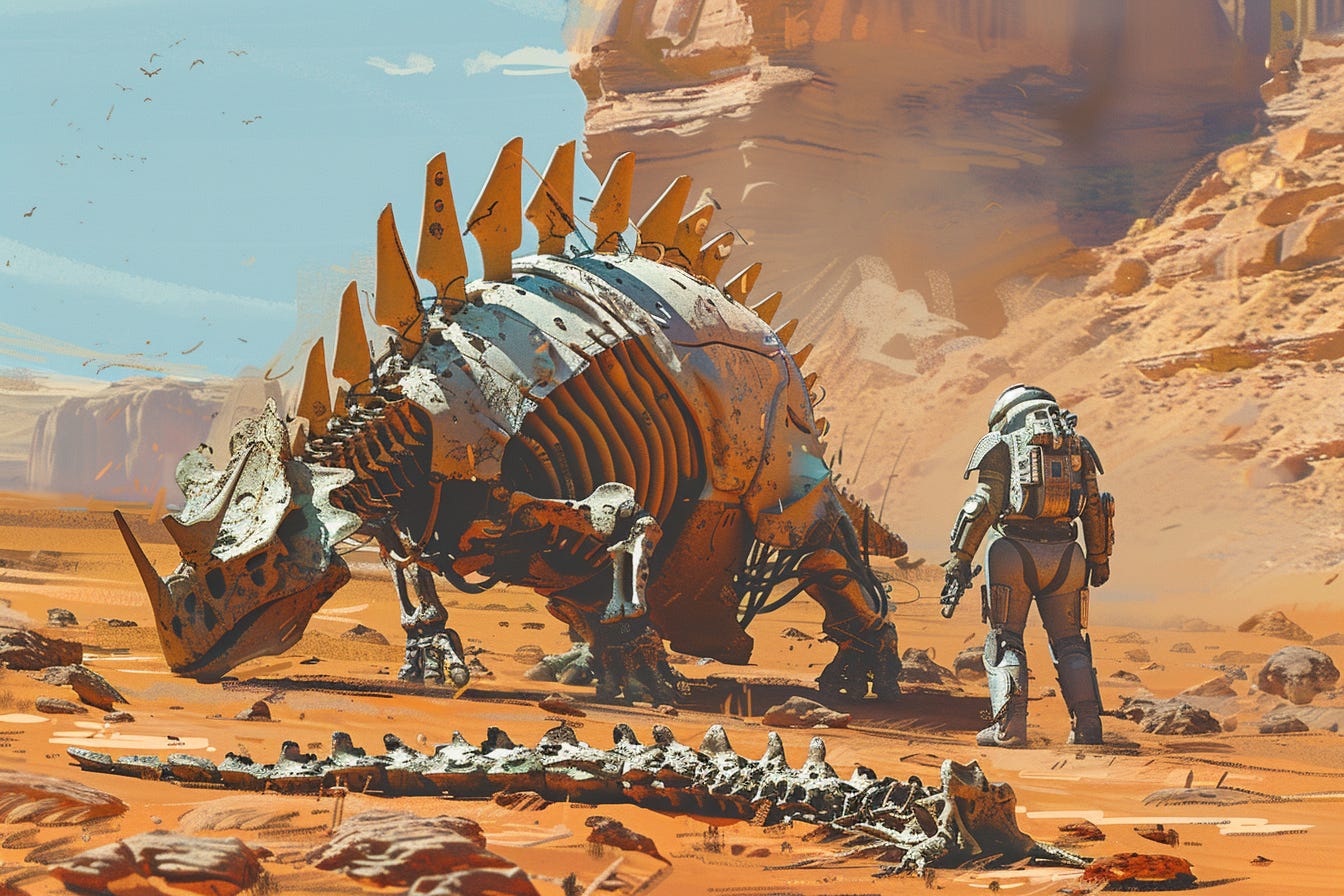
Fossil Force takes a more speculative twist on history, imagining an advanced ancient civilization in North America that retreated underground to survive a global flood—echoing myths like Noah’s flood and Native American oral traditions. Protagonist Patrick Keller and his friends harness powerful Sentinel suits powered by fossils from a dinosaur-rich mountain on a fictional Indian reservation. This setup explores themes of ancestral guardianship, rare metals, and hidden gates, blending paleontology with indigenous history. Patrick’s journey involves navigating ethical dilemmas, such as using the suits responsibly amid threats from deep-earth rebels. Viewing history through Patrick’s lens—tied to family legacy and modern-day Utah—helps boys understand ancient migrations, flood legends, and the stewardship of cultural sites, making prehistory feel dynamic and relevant.
In each book, the protagonists learn practical skills amid historical backdrops: Eddie hones ingenuity and leadership by running messages under fire; the Meteor Men master research, data analysis, and teamwork through surveys and digs; Patrick develops accountability and problem-solving while balancing power with morality. These skills aren’t abstract—they emerge organically from historical challenges, showing boys how history builds real-world competence.
Augmenting Homeschooling Curriculum
For homeschooling families, these books serve as versatile supplements, turning literature into a multidisciplinary tool. Historical fiction like this aligns with core subjects while sparking independent inquiry.
In A Boy Against the Boxers, parents can pair the narrative with geography lessons on early 20th-century China, discussions of imperialism, or even hands-on activities like building model cannons. The siege’s timeline—filled with “unbelievable” facts, as author Jacob Sharp notes—encourages timeline projects or debates on international alliances, augmenting history curricula without feeling like rote memorization.
Meteor Men excels in STEM integration, making it ideal for science-focused homeschooling. The boys’ use of magnetometers, compasses, and aerial surveys can inspire experiments in magnetism or geology, while the Civil War discovery ties into U.S. history units. Homeschoolers might extend this by visiting historical sites (like the USS Cairo museum) or researching local meteorite falls, blending reading with fieldwork to reinforce scientific method and historical research skills.
Fossil Force supports lessons in paleontology, archaeology, and ethics. The fossil-powered Sentinels can lead to dinosaur studies or visits to Utah’s fossil sites near Moab, while the underground civilization theme opens doors to mythology, Native American history, and environmental stewardship. Homeschool activities could include mask-making crafts or debates on cultural preservation, helping boys connect literature to broader curricula like earth science or social studies
By embedding history in adventure, these books make homeschooling engaging, encouraging boys to pursue rabbit trails—like library dives or outdoor explorations—that deepen learning beyond worksheets.
Developing a Love of Reading and Desire to Explore Historical Themes
Perhaps the greatest gift of these books is igniting intrinsic motivation. Seeing history from a boy’s viewpoint—full of action, friendship, and growth—makes the past relatable, transforming reading from a chore into an adventure. Eddie in A Boy Against the Boxers evolves from craving excitement to embodying heroism, mirroring how boys might see their own potential in historical figures. This perspective demystifies events, showing the human side of sieges and rebellions, which can inspire further reading on topics like the Eight-Nation Alliance. Many of the secondary and background characters in Boxers are real historical personages who were actually there; including future President Herbert Hoover, and future first lady Lou Henry Hoover, who really did ride around the besieged Quarter on her bicycle with a pistol strapped to her hip, and who really did get a flat tire from a gunshot.
In Meteor Men, the boys’ camaraderie and “treasure hunt” approach humanizes Civil War soldiers, fostering empathy and a desire to explore archives or reenactments. Author Scott Schad’s pride in “honoring the soldiers” underscores how such stories build emotional connections, turning history buffs into lifelong learners.
Fossil Force emphasizes accountability in friendships, as Patrick and his crew hold each other to high standards with the Sentinels. This peer-driven growth, set against ancient mysteries, encourages boys to question “what if?” scenarios, sparking interest in speculative history books or field trips to fossil sites.
Ultimately, these narratives develop critical thinking, empathy, and curiosity—skills that fuel a love of reading. As Sharp reflects, inspired by classics like The Long Portage, such tales draw kids into history’s thrill, creating readers who seek out more.
Raconteur Press’s commitment to uplifting, pulp-style adventures ensures these books reject nihilism, offering noble protagonists and honorable outcomes. For boys eager for discovery, titles like these prove history isn’t just dates—it’s a call to adventure. Dive in at raconteurpress.com and watch curiosity take flight.
I've shared this with my Middle Daughter, who has wide contact with homeschoolers. You guys might want to consider having a booth at a few homeschool conventions, especially as you get more books written for children and teens.
Ordered a Fossil Force for my (kinda) grandsons.