

We’re told over and over that the best stories have conflict, and this isn’t wrong: stories with no struggle are a meaningless string of events. But how and why does conflict make a story?
It’s not the fact that we are having a conflict that’s the heart of a story; it is, in fact, a central result of what MAKES a story.
What makes a story is depicting a problem and showing it being solved.
All writing is ultimately a question of solving a problem. It may be a problem of where to obtain facts or how to organize the material. It may be a problem of approach or attitude, tone or style. Whatever it is, it has to be confronted and solved.
— William Zinsser
Conflict in a story receives so much attention that one might assume that “if we just pile on the conflict, we’ll have a GREAT story!” And hey—! “If a little does well, then a lot does better!!”
Nope, nope, nope, nope, nope!
Satisfying stories have an anatomy to them — a structural arc — and that structure comes from showing a problem being solved.
Interestingly, Zinsser isn’t talking purely about fiction writing. He’s talking about what writers do with ALL writing. While blanket statements are usually dangerous (notice my hedge there? 😉), I’ve never not experienced any writing project not to be the simple, beautiful matter of solving a problem by asking and answering a question.
But it has to be a fruitful, meaningful question! Don’t go easy on yourself—dig deep. Readers find existential, “yes or no” questions boring and pedantic:
The best questions are the ones that have answers that are life-changing — at least, for our characters!
The Craft of Research dedicates a whole chapter on how to formulate research statements that will yield fruitful and interesting answers. They break it down like this:
Name Your Topic: What are you writing about? “I am trying to learn about . . .”
Add an Indirect Question: What do you want to understand about it? “because I want to know . . .”
Answer ‘So What?’ Why do you want your reader to care about it? “to help my reader understand . . . ”
Let’s try one! “I am trying to learn about US prison practices in the 1930s because I want to know what experiences ex-cons gained to help my reader understand what unique connections and skillsets a reformed convict might use investigating a mob hit of his father.”
We’ve just fleshed out the basic premise of a main character the problem he is going to face. And gee! He won’t have any conflicts at all, will he?
Knowing how to ask shrewd questions allows us to hone in on what the problem specifically is — which makes our plot — and what we want our heroes to solve.
Satisfying stories open with some kind of condition that is not good enough and must be bettered or resolved in some way. Our story moves forward by the hero identifying the (perceived) problem and making attempts to solve it.
Now we have an arc going!
We know in writing that answering our question gives rise to new, little problems to solve in the journey. In real life and fiction, nothing is straightforward — complications arise, and our story stakes get higher as both the writer and the hero get closer to vanquishing the trouble.
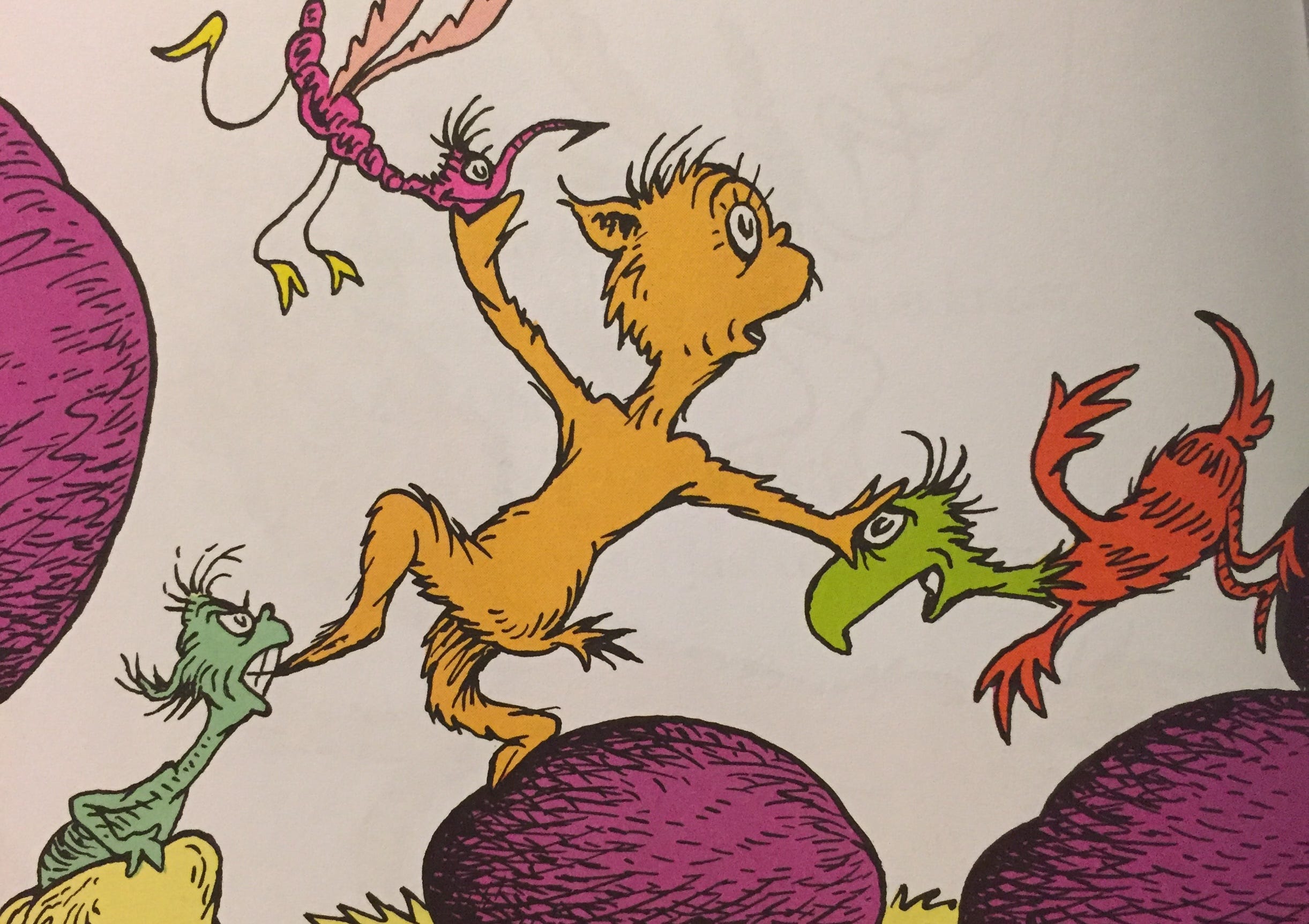
Questions have a way of leading to more problems and questions. What new problems may arise for our ex-con in our example?
society perceives ex-cons as “bad guys” — no one may want to help
he may know or have served time with the killer
people may think he did it
the police department may be corrupt at try to pin it on him
dad may have had a sordid life he doesn’t know about
he may be next
The list goes on — and the stakes get higher!
Meaningful, exciting conflict doesn’t simply fall into a story. Great conflict and ever-higher stakes — knowing what we’re trying to solve both in plot and for our characters — comes with asking truly astute research questions about them and their world and approaching those problems head-on.
Happy writing!
Most stories are a combination of problems to be resolved and mysteries to be solved. Often, the problem and the mystery are the same thing.
This is cool! Writer's School or how to craft a great story!